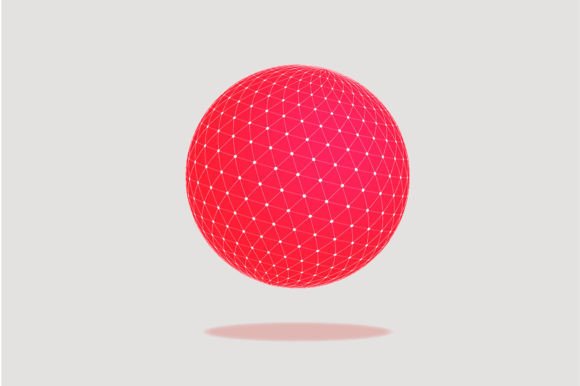
Polygonal Planet Design: Abstract 3D Po and Its Role in Creative Workflows
Abstract 3D polygonal design has become a powerful tool for creators across industries, from graphic design to game development and scientific visualization. Among the various forms of this technique, Polygonal Planet Design – Abstract 3D Po stands out as a unique approach that blends geometric precision with artistic expression. This method allows designers to craft stylized planetary visuals using polygonal structures, offering both flexibility and visual impact. Whether you're working on a branding project, an educational resource, or a digital art portfolio, understanding how to leverage abstract 3D polygonal designs can significantly enhance your creative output.
What Is Polygonal Planet Design?
Polygonal Planet Design refers to the creation of planet-like shapes using polygons—flat, multi-sided figures connected in three-dimensional space. These designs often take on a futuristic or artistic tone, moving away from photorealistic depictions of Earth or other planets toward more symbolic representations. The term Abstract 3D Po is used here to describe a specific aesthetic within this category: a style focused on clean lines, minimalism, and structured geometry.
This type of design is commonly created using vector graphics software such as Adobe Illustrator or Inkscape, where each polygon can be manipulated individually. The result is a scalable, editable asset that maintains quality at any resolution. When saved as an EPS file, it becomes even more versatile, suitable for print and web use alike.
Where Does It Fit Into the Broader Process?
In many creative workflows, Polygonal Planet Design serves as a conceptual bridge between idea generation and final output. For instance, in UI/UX design, these abstract shapes might be used to represent locations or data points in a dashboard. In marketing, they can act as engaging visual metaphors for global reach or innovation. For educators, they may simplify complex astronomical concepts into digestible graphics.
The key benefit of integrating this design early in the process is its adaptability. Because it's based on simple geometric forms, it’s easy to modify during brainstorming or prototyping phases. Once the concept is finalized, the design can be refined and incorporated into the main project without losing clarity or coherence.
Using Polygonal Planet Design Before a Project
Before diving into a full-scale project, abstract 3D polygonal designs like those found in Polygonal Planet Design – Abstract 3d Po can serve as mood boards or visual anchors. They help establish a thematic direction and provide a reference point for color schemes, typography, and layout decisions.
- Concept Development: Use a basic polygonal planet sketch to spark discussions about brand identity or narrative themes.
- Client Presentations: Share EPS files of abstract 3D planets to communicate ideas visually before investing in high-fidelity mockups.
- Team Alignment: Display these designs in collaborative sessions to ensure everyone understands the intended visual language.
Preparation is crucial when using this method. Start by defining the purpose of the design—whether it’s to represent a fictional world, a corporate vision, or a data visualization. Next, choose a polygonal structure that aligns with that intent. A jagged, fragmented planet might suggest instability or transformation, while smooth, rounded polygons could evoke harmony and balance.
During the Project Lifecycle
Once the project is underway, abstract 3D polygonal assets can be integrated into multiple stages. Here are some practical examples:
- Design Mockups: Incorporate these elements into wireframes or prototypes to add depth and symbolism.
- Asset Creation: Generate variations of the same polygonal planet for different sections of a website, app, or publication.
- Collaboration Tools: Share editable EPS versions with developers or content creators who need to adapt the visuals for their own work.
One important consideration during implementation is compatibility. Since EPS files are vector-based, they should be converted to appropriate formats (like PNG or SVG) depending on the platform or medium being used. Make sure to test the design at different sizes and resolutions to confirm it remains clear and effective.
Workflow Example: Brand Identity Campaign
Imagine you're designing a new tech startup's brand identity. You begin by sketching a few abstract 3D polygonal planets to symbolize the company's innovative and forward-thinking nature. Using Adobe Illustrator, you build the design layer by layer, adjusting colors and textures to match the brand guidelines. You then export the final version as an EPS file for use in logos, social media headers, and packaging mockups. Alongside this, you create lower-resolution PNGs for quick previews and SVGs for responsive web use.
Post-Project Applications
After a project is completed, abstract 3D polygonal designs can still offer value. They’re ideal for creating post-launch promotional materials, infographics, or even merchandise like T-shirts or mugs. Their geometric nature makes them highly adaptable for print-on-demand services and digital storefronts.
For long-term use, consider maintaining a library of these designs. Organizing them by theme, color palette, or function ensures they can be quickly accessed for future projects. Also, keep track of which versions have been modified or optimized, especially if they're used across multiple platforms.
Integration With Other Tools and Resources
Successful integration of Polygonal Planet Design – Abstract 3D Po depends on how well it interacts with other components of your workflow. Below are several ways to combine it with existing tools:
- Adobe Suite: Use Illustrator to create the base design and Photoshop to composite it into real-world scenes or mockups.
- Blender: Import the EPS file into Blender for advanced 3D modeling or animation, giving the design a dynamic edge.
- Web Development: Convert the design into SVG format for embedding directly into HTML/CSS layouts, ensuring scalability and responsiveness.
- Content Management Systems (CMS): Upload final image versions to WordPress, Shopify, or Squarespace for immediate use in blogs, product pages, or landing sites.
When collaborating with others, sharing the original EPS file rather than a flat image keeps the door open for edits and adjustments. This is particularly useful in agile environments where feedback loops are frequent and changes are expected.
Practical Tips for Implementation
To get the most out of Abstract 3D Polygonal Planet Designs, follow these best practices:
- Start Simple: Begin with a single shape and gradually add complexity. This helps maintain control over the overall composition.
- Use Grids and Guides: Aligning polygons precisely enhances the professional look of the design and reduces errors in scaling.
- Experiment With Color: Try gradient fills or limited palettes to see what fits the project’s tone and audience expectations.
- Optimize for Performance: If used online, convert to compressed formats like SVG or PNG to avoid slow load times.
- Maintain Consistency: Keep the same style across all related assets to reinforce brand identity or thematic unity.
Additionally, always back up your original EPS files. Vector assets are invaluable for revisions, so storing them in a secure and organized manner supports long-term usability and efficiency.
Use Cases Across Industries
Although initially popular in digital art and design, abstract 3D polygonal planet design has found applications in diverse fields:
- Marketing: As a metaphor for global outreach or futuristic innovation in campaigns targeting tech-savvy audiences.
- Education: To visualize planetary systems in science curricula, making abstract concepts tangible for students.
- Game Development: For crafting alien worlds or stylized maps in indie games and VR experiences.
- Architecture and Urban Planning: As symbolic representations of cities or regions in planning documents and presentations.
- Interior Design: Used in mood boards or concept art to convey cosmic themes or modern aesthetics.
Each use case requires a slightly different approach. For example, in game development, the focus might be on interactivity and animation, whereas in education, clarity and simplicity are paramount. Adapting the design to fit the context is essential for achieving the desired outcome.
Observations and Best Practices
Working with Polygonal Planet Design – Abstract 3D Po reveals several insights:
- It works best when paired with strong negative space and typography, avoiding cluttered compositions.
- Designers often underestimate the power of subtle lighting effects in 3D views; even a basic gradient can give the illusion of depth.
- Usability in motion graphics increases when the design is modular—each polygon can be animated separately for added visual interest.
- Consistency in texture and line weight across all polygonal elements prevents the design from feeling disjointed.
Another observation is the growing trend of using these designs in NFTs and metaverse-related projects. The abstract yet recognizable form of a polygonal planet resonates well in virtual spaces, making it a valuable asset for digital creators.
Ensuring Quality and Long-Term Use
Quality control starts with the initial creation. Ensure that all vectors are closed paths and that no overlapping occurs unless intentional. Test the design in black and white to verify it still conveys the message effectively without color cues.
For long-term use, document the design process and parameters. Note which software was used, the source of inspiration, and any custom brushes or gradients applied. This documentation not only aids in revisions but also supports team knowledge transfer if others need to work with the asset later.
Organizational Strategies
Keeping these designs manageable over time involves good organization:
- Create folders for each project and subfolders for drafts, final assets, and derivatives.
- Name files consistently, including version numbers and dates (e.g., “PolygonalPlanet_AbstractPo_v2_20250405.eps”).
- Use cloud storage solutions like Google Drive or Dropbox to share and back up files securely.
- Include metadata in EPS files to note usage rights, authorship, and modification history.
These strategies help prevent confusion and streamline collaboration, especially when handling multiple iterations or client requests.
Conclusion
Polygonal Planet Design – Abstract 3D Po is more than just a visual trend—it's a functional and expressive component of modern creative processes. By understanding how it fits into planning, execution, and post-project tasks, professionals can harness its potential to communicate ideas clearly and creatively. Whether used as a standalone piece or part of a larger visual ecosystem, this design method offers flexibility, scalability, and a distinctive aesthetic that can elevate a wide range of projects.
With thoughtful preparation, attention to compatibility, and a clear focus on integration, abstract 3D polygonal designs can become a staple in your toolkit. They empower you to think beyond realism and explore new ways to represent complex ideas through structured geometry and artistic abstraction.