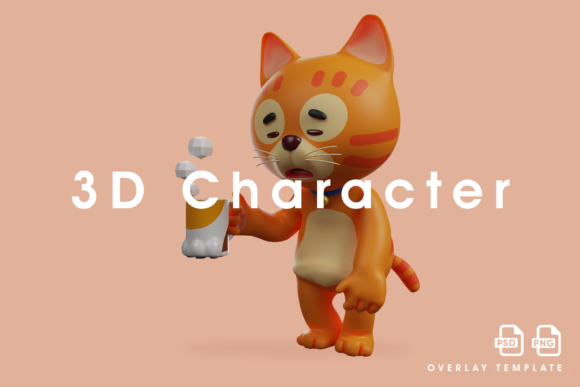
Design Documents 3D Illustration: A Powerful Tool for Modern Visual Communication
In the evolving landscape of digital design, 3D illustration has emerged as a versatile and impactful method to convey complex ideas with clarity and visual appeal. Among the many applications of this technology, Design Documents 3D Illustration stands out as a specialized approach tailored for professionals across industries who rely on detailed documentation and creative visualization. Whether you're an app developer, UI/UX designer, web architect, or content creator, integrating high-quality 3D illustrations into your design documents can elevate the understanding, presentation, and execution of your projects.
Understanding Design Documents 3D Illustration
Design Documents 3D Illustration refers to the use of three-dimensional visuals within project documentation to explain concepts, workflows, components, and user interactions more effectively. Unlike static diagrams or written descriptions, 3D illustrations provide depth, perspective, and realism that help stakeholders visualize how a product will function in real life.
This form of illustration is particularly useful when working with abstract or technical subjects. For example, in UI design, a 3D illustration can showcase how different layers of an interface interact spatially. In web design, it might demonstrate the layout of elements before they are coded. These visuals serve as both educational tools and communication assets, bridging the gap between imagination and implementation.
Characteristics of High-Quality 3D Illustrations for Design Documents
- High resolution: With dimensions up to 3000x3000 px, these illustrations ensure crisp and clear details, even when zoomed in or printed at large sizes.
- Multiple file formats: The provision of both PSD and PNG files allows for flexibility in editing and integration into various design workflows.
- Realistic rendering: Advanced shading, lighting, and textures make the illustrations feel tangible, helping viewers grasp the intended look and feel of the final product.
- Customizable elements: Layers and smart objects in PSD files enable designers to modify specific aspects without affecting the entire composition.
These characteristics not only enhance the quality of the illustration but also support a wide range of use cases—from digital presentations to print media—without compromising visual integrity.
Advantages of Using 3D Illustration in Design Documents
The adoption of Design Documents 3D Illustration brings several advantages to the table. One of the most significant is improved communication. By presenting information visually, teams can align on goals faster and reduce misunderstandings that often arise from text-based descriptions alone.
Another benefit lies in scalability. A single 3D illustration can be adapted for multiple purposes such as social media advertising, posters, website banners, and app mockups. This adaptability makes it a cost-effective solution for creators looking to maintain consistency across platforms.
Moreover, using 3D illustrations in design documents helps in demonstrating spatial relationships, motion, and interactivity—key factors in modern digital experiences like augmented reality (AR) interfaces or interactive websites. It's a tool that supports innovation by allowing designers to think beyond flat layouts and explore immersive environments.
App Development and UI/UX Design
In app development, especially for mobile and web platforms, 3D illustrations are used to prototype interfaces and show how elements will behave in a real-world context. For instance, a 3D button can illustrate its hover effect or click animation in a way that static images cannot. When included in design documents, these visuals aid developers and stakeholders in making informed decisions about functionality and aesthetics.
Web Design and Content Creation
Web designers leverage 3D illustrations to create engaging landing pages, infographics, and explainer videos. These visuals add a layer of sophistication and interactivity that can set a brand apart. Content creators also find value in using them to produce eye-catching blog posts, tutorials, and marketing materials that resonate better with audiences.
Presentation and Poster Design
For academic, corporate, or creative presentations, incorporating 3D illustrations can significantly boost engagement. They allow presenters to break down intricate processes or data points into digestible, visual segments. Similarly, in poster design, these illustrations help capture attention and communicate key messages efficiently.
Social Media Advertising
With the rise of visually driven platforms like Instagram, Pinterest, and Facebook, brands are increasingly relying on compelling imagery to attract users. Design Documents 3D Illustration provides the foundation for creating ads that stand out in crowded feeds. The high-resolution nature ensures that these images remain sharp and professional across all devices and screen sizes.
Considerations When Choosing 3D Illustrations
While 3D illustrations offer numerous benefits, their effective use requires thoughtful consideration. First, the illustration should match the tone and purpose of the document. A sleek, minimalist 3D render may suit a tech startup’s design specs, while a more colorful and dynamic style could be appropriate for an educational platform.
Second, the level of detail should be balanced with usability. Overly complex illustrations can confuse rather than clarify. Designers must focus on highlighting essential features and interactions without overwhelming the viewer.
Third, compatibility with existing design systems and branding guidelines is crucial. The illustration should integrate seamlessly with other design elements to maintain a cohesive look and feel. Providing both PSD and PNG files facilitates this process, offering options for layered edits or flat integration.
Practical Examples of Application
Imagine a UX designer working on a new e-commerce platform. Instead of using wireframes or simple icons to represent a shopping cart, they insert a Design Documents 3D Illustration showing the cart as a realistic object with subtle animations. This not only clarifies the component’s role but also inspires the team to consider innovative interaction models.
Similarly, a content creator preparing a tutorial on app development might include 3D illustrations to demonstrate how touch gestures translate into UI responses. These visuals make the learning experience more intuitive and memorable.
Business owners developing a pitch deck for investors can use 3D illustrations to depict their product in action. This kind of visual storytelling builds trust and showcases the potential of the idea in a compelling way.
How to Integrate 3D Illustrations into Your Workflow
Integrating Design Documents 3D Illustration into your workflow is straightforward if you have the right tools and mindset. Start by identifying where traditional visuals fall short—these are the ideal spots for 3D illustrations. Next, source or create high-quality 3D assets that align with your project's requirements and aesthetic preferences.
Once you have the illustration files (typically PSD and PNG), import them into your design software. Use the PSD version for customizations, ensuring that each element remains editable. The PNG format is best suited for final outputs, especially when embedding into websites, apps, or marketing materials.
Collaboration is another area where 3D illustrations shine. When shared among cross-functional teams, they act as a common language, reducing the need for lengthy explanations and enabling faster iterations.
Trends and Future Relevance
As industries continue to embrace digital transformation, the demand for 3D illustration in design documentation is growing. Emerging trends like AR, VR, and interactive storytelling are pushing the boundaries of what's possible with visual design. Design Documents 3D Illustration is at the forefront of this shift, providing the means to create immersive and informative design narratives.
Additionally, the increasing use of remote collaboration tools highlights the importance of visual clarity in documentation. Clear and detailed 3D illustrations help remote teams stay aligned and focused, regardless of geographic location.
Who Can Benefit from Using 3D Illustrations?
Almost any individual or organization involved in visual design can benefit from 3D illustrations. Here are some key roles and how they can utilize this resource:
- UI/UX Designers: To visualize user flows, component hierarchies, and interactive elements.
- App Developers: For illustrating backend structures, data flows, or hardware integrations.
- Content Creators: To craft engaging stories and tutorials with rich visual assets.
- Educators and Researchers: For teaching complex concepts or presenting findings in a more accessible format.
- Business Owners and Marketers: To create persuasive pitches and advertisements that stand out.
- Hobbyists and Independent Artists: As a creative medium to express ideas and build portfolios.
By catering to diverse needs and backgrounds, Design Documents 3D Illustration proves to be a universally valuable asset in the design world.
Ensuring Quality and Professionalism
To maximize the impact of your 3D illustrations, it's important to work with artists or tools that understand the nuances of design documentation. Attention to scale, color accuracy, and alignment with project specifications ensures that the illustration enhances rather than distracts from the message.
Professionals often look for illustrations that are not just aesthetically pleasing but technically sound. This includes proper layering in PSD files, consistent file naming, and accurate metadata. Such practices streamline the integration process and reduce errors during production.
Conclusion
Design Documents 3D Illustration is more than just a visual enhancement—it's a strategic tool that supports clarity, creativity, and collaboration in design projects. From app interfaces to social media campaigns, these illustrations empower creators to communicate their vision with precision and flair.
As the field continues to evolve, staying ahead with advanced visual techniques like 3D illustration becomes essential. Whether you're designing for clients, students, or your own business, leveraging high-resolution, customizable 3D assets can transform how you develop, present, and share your ideas.