3D Particles Background Design: A Creative Tool for Modern Visual Projects
When it comes to designing eye-catching digital or print visuals, the background plays a crucial role in setting the tone and enhancing the overall composition. One innovative solution that has gained popularity among designers is the 3D Particles Background Design. This design technique uses layered particles to create depth, texture, and a dynamic visual effect that can elevate everything from website headers to marketing materials.
What Is 3D Particles Background Design?
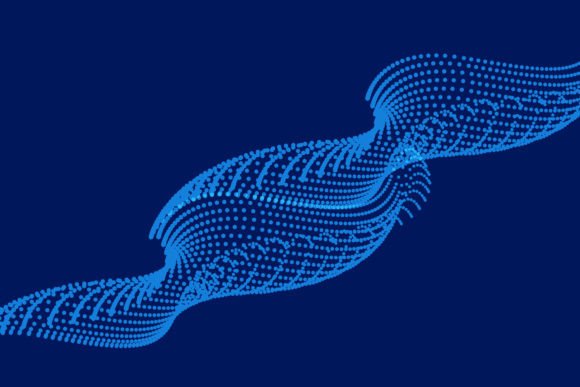
A 3D Particles Background Design is a type of vector-based graphic where small elements—like dots, lines, or shapes—are arranged in layers to simulate a three-dimensional space. These particles are often semi-transparent, allowing them to blend together and form a cohesive background while still maintaining a sense of movement and complexity. The result is a visually rich backdrop that adds interest without overwhelming the main content.
Created using tools like Adobe Illustrator, these backgrounds are highly customizable. Designers can adjust the color mode, size, spacing, and arrangement of the particles to match their specific needs. Because they’re built with vectors, they remain crisp and clear at any scale, making them ideal for both digital screens and high-resolution print projects.
Real-World Applications and Use Cases
The beauty of a 3D Particles Background Design lies in its versatility. It’s not limited to a single industry or purpose. Below are some practical examples of how this design can be used across different fields:
- Web Design: Websites often use particle backgrounds to add a subtle layer of sophistication. For example, a tech startup might incorporate a glowing particle design into their homepage to evoke innovation and energy.
- App UI: In mobile app interfaces, especially those related to finance or productivity, a clean yet modern 3D particle background can help maintain a professional look while adding a touch of dynamism.
- Marketing Collateral: Brochures, flyers, and social media banners benefit from particle designs that reflect brand colors and values. A fitness company could use a vibrant red and orange particle pattern to symbolize strength and vitality.
- Print Media: From business cards to posters, the scalability of AI and EPS files ensures the design looks sharp whether printed on glossy paper or large-format signage.
- Presentations and Slide Decks: PowerPoint or Keynote presentations become more engaging when using a textured particle background. It helps focus attention on the content while providing an elegant aesthetic.
Why Designers Choose 3D Particle Backgrounds
Designers appreciate the flexibility and efficiency offered by a 3D Particles Background Design package. Here’s why:
- Professional Quality: The patterns are crafted with precision in Adobe Illustrator, ensuring they meet high standards for clarity and detail.
- Multiple Background Options: Many packages include variations tailored for light, dark, or gradient backgrounds, giving users the freedom to choose the best fit for their project.
- Easy Customization: Source files allow for quick edits to colors, sizes, and arrangements. This makes it simple to align the design with brand guidelines or client preferences.
- Scalable and Resolution-Ready: With support for resizing and a default resolution of 300 PPI, these designs are suitable for both online and offline use without losing quality.
Industries That Benefit Most
While the applications are vast, certain industries find 3D Particles Background Design particularly useful due to the nature of their branding and communication styles:
- Technology: Clean, futuristic aesthetics are essential in tech branding. Particle effects can subtly convey innovation and digital fluency.
- Finance and Business Services: A minimalist yet refined particle layout can enhance the professionalism of corporate presentations or reports.
- Creative Agencies: These agencies often work on diverse projects and need adaptable templates. A particle background allows for creative consistency across multiple clients and campaigns.
- Education and E-Learning: Interactive learning platforms can use particle animations to make educational content feel more immersive and modern.
- Healthcare and Wellness: Soft, flowing particle designs can create a calming atmosphere in websites or promotional materials for wellness brands.
How Different Users Can Leverage This Design
Whether you're a freelance designer, a small business owner, or part of a larger creative team, there's value in using a 3D Particles Background Design package. Here’s how various users might apply it:
- Freelancers: Save time by reusing pre-designed particle backgrounds across client projects. Customize the color modes to suit each brand identity quickly.
- In-House Marketing Teams: Create consistent, high-quality assets for internal campaigns. The resizable format works well for email newsletters, landing pages, and ads.
- Graphic Design Students: Learn about layering, transparency, and vector manipulation through hands-on editing of particle files.
- Entrepreneurs: Build a strong visual foundation for your products or services. Use it in product packaging or as a backdrop for your logo in promotional videos.
Strengths of Using 3D Particle Backgrounds
There are several advantages to incorporating a 3D Particles Background Design into your workflow:
- Time Efficiency: Instead of creating complex backgrounds from scratch, you can start with a ready-made design and tweak it to your liking.
- Visual Depth: The layered particle effect mimics depth and dimension, which can make flat layouts feel more dynamic and interactive.
- Brand Consistency: By adjusting colors and patterns, you can ensure the background complements your logo and other brand elements seamlessly.
- Adaptability: These backgrounds can be applied to a wide range of file types, including PDFs, PNGs, and JPEGs, depending on the final output requirement.
Potential Limitations to Consider
While 3D Particles Background Designs offer many benefits, there are also some factors to keep in mind before using them:
- Overuse Risk: Too much movement or too many layers can distract from the main message. It’s important to balance the background with the foreground content.
- Compatibility Issues: Not all software supports advanced vector effects. Always confirm that the file formats (AI, EPS) are compatible with the tools you plan to use.
- Printing Constraints: Some printers may struggle with rendering very fine particle details if the settings aren’t optimized. Ensure you export the design correctly for print jobs.
- Licensing Requirements: If you're using a commercial package, check the licensing terms to confirm it’s appropriate for your intended use, such as reselling or embedding in apps.
Choosing the Right Color Mode and Layout
Selecting the right color mode and layout is essential for achieving the desired impact. Here are a few tips based on common scenarios:
- Dark Backgrounds: Ideal for modern, tech-oriented themes. Light-colored particles pop against dark tones and reduce eye strain in digital environments.
- Light Backgrounds: Best suited for traditional or clean aesthetics. Darker particles provide contrast and help anchor the design visually.
- Gradient Versions: Useful for blending with other design elements. Gradients can guide the viewer’s eye toward focal points like headlines or calls-to-action.
- Monochromatic Schemes: Great for minimalist brands or projects that prioritize readability over bold visuals. Adjust opacity levels to avoid overpowering text or images.
Practical Tips for Effective Use
To get the most out of a 3D Particles Background Design, consider the following real-world strategies:
- Layer Control: Use clipping masks or layer blending modes to integrate the particle background with logos or photographs without cluttering the layout.
- Contrast Optimization: Always test the background against the primary content. If the text becomes hard to read, simplify the particle density or adjust the color scheme.
- Animation Potential: While static designs are common, some packages allow for subtle animation effects. This can be especially effective in web banners or animated presentations.
- Client Preferences: When working with clients, present a few versions of the same particle background to see what resonates best with their vision and target audience.
Case Study: Enhancing a Brand Launch with 3D Particles
A recent case study involved a new skincare brand launching a website and print catalog simultaneously. The design team opted for a 3D Particles Background Design in soft pastel tones. For the website, they used a transparent version with a slight glow effect to complement product photography. In the print catalog, they adjusted the particle density and switched to a solid white base for better ink adhesion. The result was a cohesive visual identity that felt fresh, modern, and aligned with the brand’s mission of natural beauty.
Getting Started with Your Own 3D Particles Background
If you're considering using a 3D Particles Background Design for your next project, here are a few steps to help you begin:
- Define Your Purpose: Ask yourself what the background needs to achieve. Is it for a presentation? Website? Print piece?
- Match Brand Guidelines: Select a color mode that aligns with your brand palette. Avoid clashing hues that might confuse the message.
- Test Across Devices: View the design on different screens and in various resolutions to ensure it remains legible and visually appealing.
- Edit with Care: Use Adobe Illustrator to tweak the source files. Focus on adjusting key aspects like particle size and distribution rather than overcomplicating the layout.
With the right approach, a 3D Particles Background Design can transform a standard layout into something memorable. Its ability to add depth and character without sacrificing clarity makes it a powerful asset in the designer’s toolkit.
Additional File Formats and Resizability
Many 3D Particles Background Design packages come with additional file formats like AI and EPS. These formats preserve vector integrity and allow for precise scaling. Whether you need the design for a billboard or a mobile app splash screen, the files adapt without loss of quality. This feature alone justifies the investment for professionals who require flexibility in their workflows.
Conclusion
Ultimately, a 3D Particles Background Design isn't just another decorative element—it’s a strategic tool that enhances visual storytelling. Used thoughtfully, it can elevate your designs, engage your audience, and streamline your creative process. Explore the possibilities, experiment with variations, and let the design speak for itself in the spaces it inhabits.